Nachrichten Produktion & Labor
KI-Ansatz zur Beurteilung wahrgenommener Schwärze
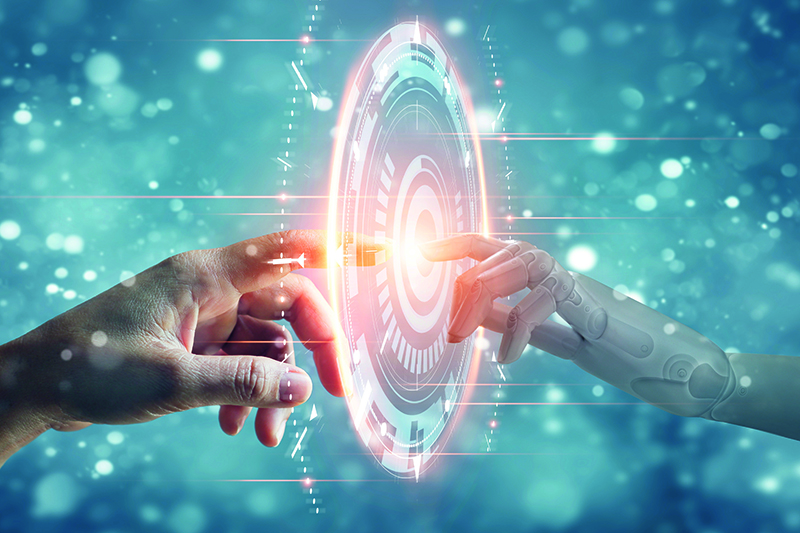
The study investigates how the amount of matting agent affects the appearance and perceived blackness of black polyurethane (PU) panels. To this end, various neural network models were used to model visual perception based on colorimetric and geometric properties. As the researchers point out, their study is the first to use AI to model and predict perceived blackness based on appearance characteristics, thus providing a comprehensive understanding of the effects of matting agents and streamlining the evaluation process.
Save time and resources
The study aims to simplify the evaluation process of blackening in industrial settings and reduce the need for labor-intensive visual evaluations. According to the researchers, the method eliminates the need for time-consuming visual evaluation experiments traditionally used for blackening evaluation in industry and greatly simplifies the evaluation process, saving both time and resources while ensuring reliable and accurate evaluations.
The study was published in Progress in Organic Coatings, Volume 199, February 2025, 108963.
Reading tip: Polyurethane
Polyurethane chemistry has established itself in many applications worldwide. However, its development potential is far from exhausted. The book „Polyurethane paints, adhesives and sealants“ provides a comprehensive, up-to-date overview of the possibilities of polyurethanes.
First, the chemistry of polyurethanes is introduced, and then the numerous and diverse applications are presented in their current importance and with their future prospects. In addition, applications from the adhesives sector and new areas of application are described. For newcomers, the book conveys the essential connections of polyurethane chemistry and explains its possible applications. For experienced specialists, it shows current developments and perspectives.